
Hey there, if you’ve ever walked through a modern recycling plant, you’ve probably seen that big, boxy machine chomping down crumpled plastic bottles, jugs, and film like they’re just oversized candy— and that’s a plastic squeezer machine at work. I’ve been selling these machines for a few years now, and I swear, everyone always asks the same thing: how the hell does it actually turn that messy, wet pile of post-consumer plastic into something that’s ready to be turned into new stuff like fence posts or even new water bottles? Let’s break this down like I would to a plant manager who’s just trying to keep their line running, no fancy textbook jargon (well, some scientific stuff, but I’ll keep it real).
First off, let’s set the scene. When plastic arrives at a recycling plant, it’s not clean or sorted— it’s a mix of soda bottles, milk jugs, maybe some plastic wrap, and way too much water and dirt from the curb. The first step is usually a quick sort (by hand or machine) to pull out the stuff that’s not recyclable, like the plastic from a chip bag or PVC, which messes things up. Then it gets washed, shredded into little flakes, and that’s where the squeezer machine comes in. Wait, but let’s be clear: a plastic squeezer isn’t just a press that squishes water out— it’s a whole process wrapped into one, designed specifically for wet, shredded plastic flakes. I’ve seen guys come in thinking they can use a basic hydraulic press and wonder why it’s clogged in an hour, so trust me, these machines are built for this exact, messy job.
So how does it actually work? Let’s start with the inlet. You load those wet plastic flakes into a hopper, and they drop right into a feed screw— think of it like a big, rotating screw that’s angled upward. This isn’t your average screw, though; the pitch (the space between the threads) gets smaller as you go up. That’s a key part. As the screw turns, it pushes the flakes upward and compresses them tighter and tighter. Here’s the thing about wet plastic: water likes to stick to the surface, and when you cram the flakes together, that water has to go somewhere. The side of the machine (called the barrel) has little perforations— tiny holes, like a big sieve but precise enough that only water can get through, not the plastic flakes. As the compression increases, the water gets squeezed out through those holes, draining into a collection tank, and the plastic gets packed into a dense, solid cake at the top of the screw. That’s the basic squeeze part, but there’s more to it than just pushing.
Wait, there’s a heating component too, right? Not enough to melt the plastic (we’re talking like 100–150°F, not the melting point of PET or HDPE), but just enough to break the surface tension of the water. If you skip that heat, the water sticks too hard, and you end up with wet flakes that are still too heavy to transport to the next step. I’ve had plants call me up saying their squeezer was leaving 20% moisture in the flakes, and it was because their heating element was burned out. It’s a tiny detail, but it makes a huge difference.
Once the plastic is squeezed into that dense cake, it gets pushed out through a die— a small, shaped opening at the top of the screw. Then it’s cut into little pellets or strands? No, wait— usually, it’s cut into briquettes, which are those hard, little blocks. These briquettes have way less moisture (like 5% or less, sometimes even 2%) which is crucial because if you try to extrude or pelletize wet plastic, it bubbles and causes defects. That’s where a lot of recycling plants run into issues after the squeezer: their next machine can’t handle wet material, so they have to dry it for days, which slows everything down. A good squeezer cuts that drying time to almost nothing.
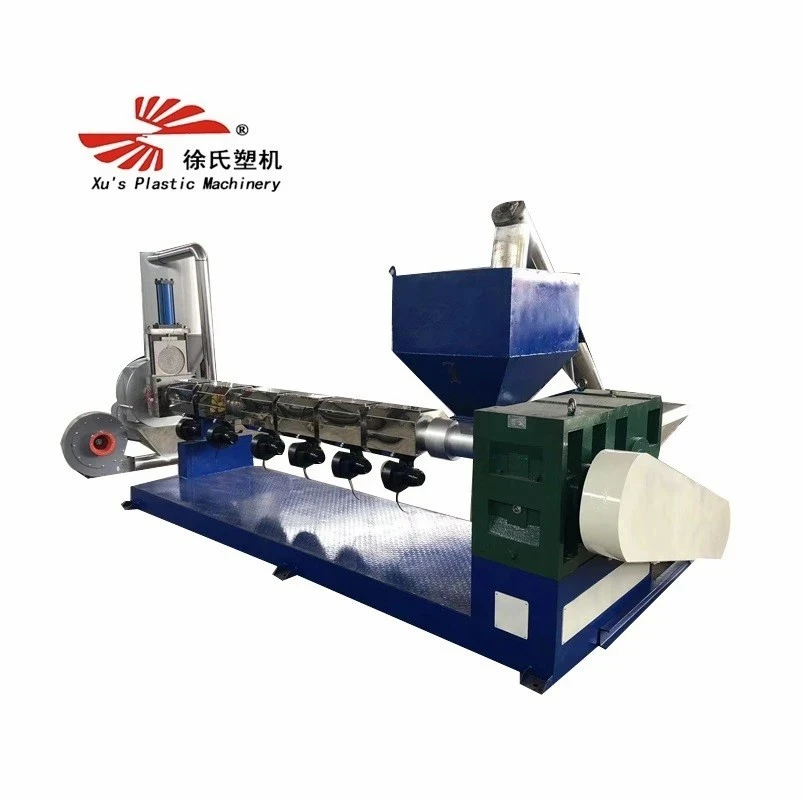
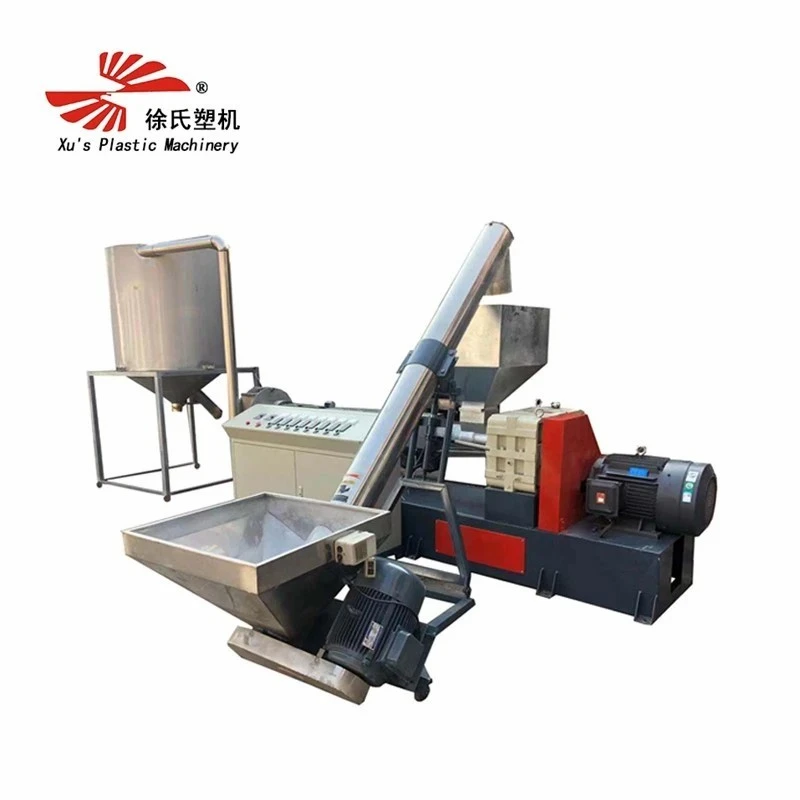
Now, let’s talk about why this matters for the whole recycling line. A lot of plants skip the squeezer and go straight from washed flakes to granulators, but that’s a mistake. Wet flakes are heavy, so transporting them costs more— like, way more. If you squeeze out 90% of the water, you’re cutting your transportation costs by the same percentage, which is a big win when you’re moving tons of plastic a week. Also, dry plastic processes way better in downstream equipment. We recently had a customer who added a squeezer to their line, and they started using our High-Filler Compounding Twin Screw Granulator for their next step, which worked way more efficiently because the material was already dry. You can check that out here: High-Filler Compounding Twin Screw Granulator. That granulator is designed to handle dry, uniform material, so the squeezer sets it up perfectly.
Wait, but not all squeezers are the same. Some plants work with post-industrial plastic scrap, like offcuts from injection molding, which is a lot cleaner, while others handle post-consumer waste which is dirtier. For the dirtier stuff, sometimes we pair the squeezer with a Beside-the-Press Granulator to pre-process the bigger chunks into smaller, uniform flakes before they go into the squeezer. That way, the squeezer doesn’t get clogged with random big pieces, and it works at max capacity. If you’re dealing with injection waste, that’s a game-changer. Here’s that link too: Beside-the-Press Granulator. The granulator cuts the plastic right at the press, so you don’t have to move big scraps around, and it feeds directly into the squeezer.
Let me also address a common myth: people think the squeezer is just for water removal, but it’s also for densification. When plastic is in flake form, it’s bulky, so storing it takes up a lot of space. The briquettes or densified strands from the squeezer are 10–15 times more dense than flakes, so you can store way more material in the same space. That’s another huge cost saver— less storage space means lower rent for the plant, or more space for other equipment. I’ve seen plants go from needing a whole warehouse for wet flakes to just a small room for briquettes after adding a squeezer.
What about maintenance? Guys always ask me if these machines are a pain to keep up. Honestly, if you do basic checks, they’re pretty reliable. The main parts that wear out are the screw and the barrel, since they’re under constant pressure. We use heavy-duty steel for those, and we do custom builds for different plastic types— PET needs a different pressure setting than HDPE, so we tune each machine to the customer’s feedstock. The perforated holes in the barrel can get clogged with plastic residue sometimes, so a quick weekly clean is all it takes, no full teardowns. A lot of plants forget that, and that’s why their efficiency drops. We include a maintenance guide with every machine, and our team is always on call if they have issues— no runaround, because I know how important uptime is for these plants.
Now, where do the squeezer’s output materials go? After the briquettes come out, if they’re going to be made into new bottles, they might go to a Recycled Material Water Ring Pelletizer, which melts the dry briquettes into tiny, uniform pellets. That’s the final step before making new products, and the squeezer’s low moisture content means those pellets are consistent, no bubbles or impurities. You can check that out here: Recycled Material Water Ring Pelletizer. That whole line— granulator, squeezer, pelletizer— works together seamlessly when sized right, which is why we don’t just sell the squeezer, we help plants design the whole line to fit their needs.
Wait, let’s talk about a real example to make this concrete. Last year, a plant in Texas was handling 20 tons of post-consumer plastic a week, and their old line was taking 3 days to dry the flakes before pelletizing. They added our plastic squeezer, cut the moisture down to 2%, and their drying time went from 3 days to 2 hours. Their energy bills dropped by 28%, because they weren’t running those big dryers 24/7. Plus, they could process more material in the same space, so they expanded their line without adding a bigger warehouse. That’s the kind of win that makes the squeezer worth the investment, not just the upfront cost.
I should also mention that not all plastic squeezer machines are the same size. Some are small, for plants that handle a few tons a week, and some are massive, for industrial plants with hundreds of tons. We customize each machine based on the customer’s feedstock— if they’re working with thin film plastic, that has a lot of surface area for water, so we adjust the compression and heat settings. If they’re working with thicker, rigid flakes, the pressure needs to be higher. That customization is what makes our machines different from the generic ones you see online— we don’t do one-size-fits-all, because every plant’s waste is a little different.
Another thing: sustainability. A lot of people don’t realize that the squeezer is a key part of making recycled plastic more sustainable. By reducing transportation and energy costs, you’re cutting the carbon footprint of every pound of recycled plastic. Also, dry plastic processes better, so less material is wasted during the downstream steps— no defective pellets, no rejected products. That means more plastic is actually recycled, not just landfilled because it’s too hard to process. So the squeezer isn’t just a machine for efficiency, it’s a big part of making the whole recycling cycle work better for the planet.
If you’re a recycling plant manager reading this, you might be thinking— is my current line missing this step? Or is my current squeezer underperforming? I get it, adding new equipment is a big decision, and you want to make sure it pays off. That’s why we offer free line assessments— we’ll come to your plant, look at your current process, test your plastic flakes, and tell you exactly how a squeezer would improve your efficiency, cut costs, and boost your output. We don’t push machines that don’t fit, because we want long-term relationships, not one-off sales.
At the end of the day, the plastic squeezer machine is the unsung hero of the recycling plant. It takes that messy, wet, bulky pile of post-consumer plastic and turns it into a clean, dense, dry material that’s ready to be made into new things. It’s not flashy, it doesn’t have bright lights or fancy controls (though we do add smart monitors now to track moisture and pressure), but it’s the workhorse that keeps the whole line running smoothly. If you’re looking to upgrade your recycling process, or you’re just curious about how a squeezer would work for your operation, reach out to our team. We’ll help you figure out the right setup, from the squeezer to the complementary machines like those granulators and pelletizers, so your plant can run better than ever.
Don’t overcomplicate this— the best recycling lines are the ones that work with the waste, not against it, and a good squeezer is how you make that happen.
References
- Plastic Recycling: Key Processes and Equipment, Industry Recycling Journal, 2022
- Energy Efficiency in Plastic Recycling Lines, Global Sustainability Report, 2023
- Performance Analysis of Plastic Squeezer Machines for Post-Consumer Waste, Journal of Waste Management, 2021