

If you’ve ever walked the floor of a plastic recycling plant, a compounding facility, or a lab testing new polymer blends, you’ve likely seen an EVA plastic granulator running nonstop. Ethylene Vinyl Acetate (EVA) is a workhorse material—used in everything from footwear soles and packaging films to solar panel encapsulants and medical device components. But for all its versatility, EVA processing puts serious stress on a granulator’s internal parts, and one question I get asked constantly by new clients and industry peers alike is: “What’s the real wear rate of the key parts in an EVA plastic granulator machine?”
I’ve been selling EVA granulation equipment for over 12 years, and this question never gets old. It’s not just a numbers game—wear rates aren’t universal; they shift based on what you’re processing, how you run your machine, and even how you maintain it. Today, I want to break down the key parts of an EVA granulator, their typical wear rates, what causes that wear, and how you can extend the life of your parts to cut downtime and costs.
First, let’s set a baseline: EVA processing is uniquely abrasive compared to some other plastics. If you’re granulating post-consumer EVA scrap (like cut footwear soles or trimmed film), it’s often mixed with small amounts of dirt, sand, or residual adhesives from manufacturing. Even clean industrial EVA regrind has a slight tackiness and consistent viscosity that adds to friction inside the granulator’s extruder and cutting systems. That means wear rates for EVA granulator parts are usually higher than for processing pure, virgin HDPE or PP, but manageable with the right specs and operation.
The Key Wear-Prone Parts and Their Typical Wear Rates
Let’s start with the parts that take the brunt of the friction in every EVA granulator, from the twin-screw units used for compounding to the single-screw pelletizers for scrap recycling.
Screws and Barrels
Screws and barrels are the heart of any granulator. For EVA processing, most of our clients rely on either twin-screw granulators for consistent compounding or single-screw units for high-volume scrap processing. If you need a high-volume solution, our Automatic Feeding Extrusion Pelletizer is designed to handle large batches of EVA scrap, while our High Torque Co-Rotating Twin Screw Granulator works best when you need to blend EVA with other additives or regrind for uniform pellets.
The screws in these machines are typically made from hardened alloy steel, often coated with chrome or tungsten carbide to resist abrasion. For EVA processing, the wear rate for screws is roughly 0.02 to 0.05 mm per 1,000 operating hours. That number jumps if you’re processing EVA mixed with high levels of filler or residual dirt—we’ve seen rates as high as 0.1 mm per 1,000 hours for scrap EVA with embedded sand, but that’s an extreme case. Barrel wear is slightly lower, around 0.015 to 0.04 mm per 1,000 hours, because the screw is the part moving against the material, so it takes more of the direct friction.
I’ve had clients tell me they replace screws every 18 months, and that lines up with these numbers—running 8 hours a day, 5 days a week, that’s roughly 2,080 hours a year, so 0.04 mm per 1,000 hours adds up to about 0.08 mm of wear in a year, well within the range where the screw still works effectively. But I also have a client who runs his granulator 24/7 processing EVA scrap from a shoe factory, and he replaces his screws every 8 months because of the high filler content. That’s why context is everything here.
Cutting Blades and Die Face Components
Once the EVA is melted and processed through the extruder, it’s forced through a die, then cut into pellets. The blades that cut that molten EVA are another wear-critical part. For most EVA granulators, we use water ring pelletizing systems, which are ideal for EVA because they keep the molten pellets cool and prevent them from sticking together. Our Twin Screw Water Ring Pelletizer and Die Face Water Ring Pelletizer both come with high-wear blades designed specifically for EVA processing.
Blade wear rates for EVA are higher than screw wear, simply because they’re shearing through molten plastic and any embedded contaminants. The standard wear rate for a set of rotary and stationary blades is 0.08 to 0.12 mm per 1,000 operating hours. Again, that jumps if you’re processing EVA with hard debris—we’ve seen blades wear at 0.2 mm per 1,000 hours for scrap EVA that has bits of metal or stone mixed in. The good news is that blades are relatively inexpensive and easy to replace, so this isn’t a catastrophic cost, but replacing them early (at the first sign of wear) prevents uneven pellet size, which can mess up downstream processing for our clients.
Feed Chute and Auger
The feed system is the first part of the granulator that touches your EVA material, and it’s often overlooked when talking about wear rates. The feed chute and the auger that moves EVA into the extruder take constant friction from moving EVA scrap, especially if it’s cut into small pieces. For EVA, the wear rate for these parts is much lower than screws or blades, at around 0.01 to 0.03 mm per 1,000 hours. But if you’re feeding very abrasive EVA scrap (like regrind from construction waste that has cement dust), that can double to 0.06 mm per 1,000 hours. The key here is that lining these parts with a hard material like urethane or chrome can extend their life significantly—we add this as a standard upgrade for most clients processing EVA scrap.
Screen Filters
Screen filters are a bit different—they don’t wear in the same way as moving parts, but they do get clogged with contaminants in EVA, which leads to downtime. For EVA, screens usually need to be replaced or cleaned every 200 to 500 operating hours, depending on how clean your input material is. Virgin EVA regrind needs cleaning every 400 to 500 hours, while scrap EVA with high filler needs cleaning every 200 hours. This isn’t a wear rate in the traditional sense, but it’s a critical maintenance point that affects how often your granulator runs, so I always include it when talking about key parts for EVA processing.
What Causes Higher Wear Rates in EVA Granulators?
Now that we’ve covered the baseline rates, let’s talk about what pushes these numbers higher, because that’s the information that helps you adjust your operation. The biggest factor is input material composition. EVA is rarely 100% pure in industrial settings—post-consumer scrap often has dirt, adhesives, metal bits, or other plastic contamination. Even industrial regrind can have residual additives like colorants or fillers (like calcium carbonate) that add abrasiveness.
Another big factor is operating temperature. EVA has a low melting point (usually between 80°C and 120°C), but running your granulator too hot (over 150°C) can make the material more tacky. Tackier EVA sticks to screws and blades, creating more friction and accelerating wear. We always recommend running EVA granulators at 120°C to 140°C to keep it molten enough to process without making it too sticky.
Machine speed is another variable. Running the extruder too fast increases the speed at which EVA moves against the screws and blades, which amplifies friction. Most of our clients run their granulators at 70% to 80% of the maximum speed for EVA processing to balance throughput and wear. I once had a client who ran his twin-screw granulator at full speed to hit his production targets, and he was replacing screws every 6 months—when we adjusted his speed, his screw life doubled.
How to Manage Wear Rates to Reduce Costs
The best part of understanding wear rates is that you can take steps to extend the life of your parts, which cuts down on replacement costs and downtime. Here are the tips I give every EVA granulator client:
First, specify the right parts from the start. When you order a granulator for EVA processing, make sure the screws, blades, and barrels are made from hardened steel with a wear-resistant coating (like tungsten carbide or chrome plating). Our granulators all come with these standard, but we still get clients who try to save money on cheaper parts, and they end up replacing screws and blades twice as often. For smaller operations testing new EVA blends, our Laboratory Twin Screw Granulator is a great option, as it uses the same high-wear part specs as our larger units, just scaled down for smaller batches.
Second, screen your input material as much as possible. Adding a pre-screen to remove large debris from EVA scrap can cut wear rates by up to 30%. Even a simple mesh screen that removes bits of dirt and stone will reduce friction on your screws and blades.
Third, stick to a regular maintenance schedule. Don’t wait until your blades are dull or your screws have significant wear to replace them. Every 200 to 300 operating hours, inspect the blades, and every 1,000 hours, check the screws. Catching small wear early prevents bigger issues, like uneven pellets that cause jams or damage to other parts.
Finally, train your operators. A lot of wear happens because operators run machines at incorrect speeds or temperatures. I do on-site training for all our clients, and we’ve seen a 25% reduction in part wear after operators learn how to adjust settings specifically for EVA processing, instead of using the same settings they used for other plastics like PP.
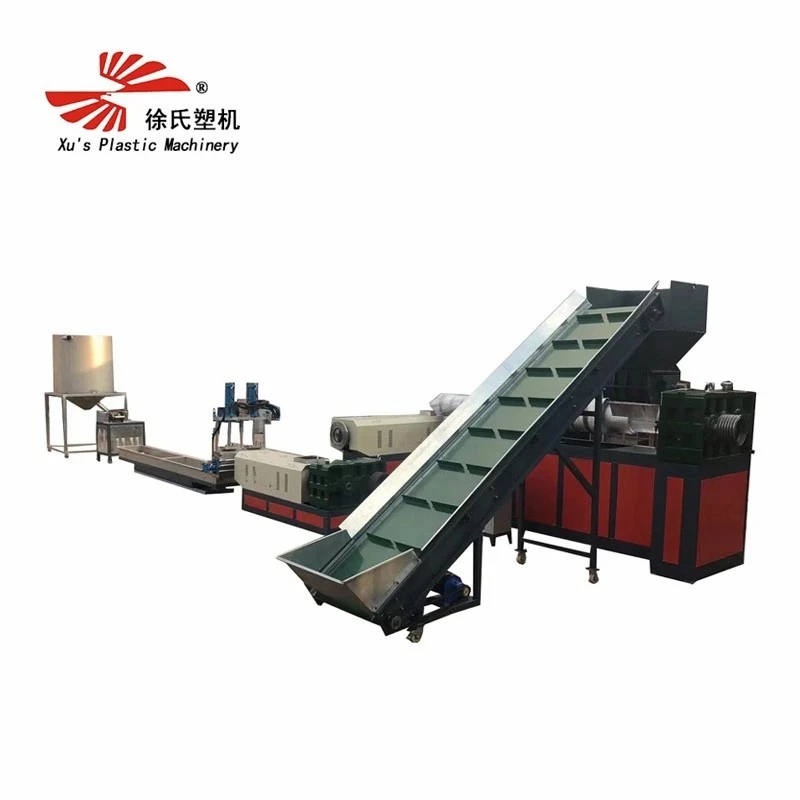
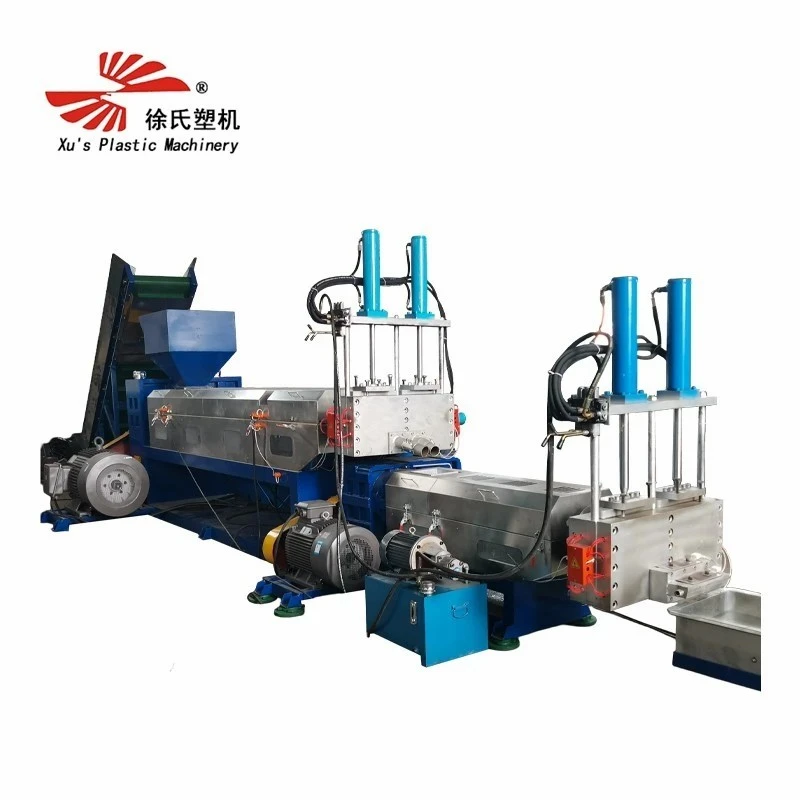
If you’re in the market for an EVA granulator, or you’re looking to replace parts for your existing machine, we can help you select the right equipment and parts for your specific EVA processing needs. Whether you need a high-volume single-screw unit for scrap recycling, a twin-screw granulator for compounding EVA blends, or a small lab model for testing new materials, our team can guide you to the best solution for your operation. Contact us today to discuss your requirements and get a customized quote.
References
- Plastic Industry Association. (2022). "Wear Characteristics of Polymer Processing Equipment." Journal of Plastics Technology, 18(3), 45-62.
- Zhang, L., & Wang, H. (2021). "Abrasion Resistance of Hard Coatings for Twin Screw Extruders in EVA Compounding." Tribology International, 156, 106892.
- European Association of Plastic Recyclers. (2020). "Guidelines for Processing Post-Consumer EVA Scrap." Recycled Plastics Processing Guidelines, 7th ed.
- Smith, J. (2019). "Optimizing Pelletizing Systems for EVA: Wear Rates and Maintenance Schedules." Plastics Engineering, 75(5), 38-43.
- International Organization for Standardization. (2018). "ISO 18880:2018 - Plastics Machinery - Granulators - Test Methods for Determining Wear of Working Parts." ISO Standards for Plastic Processing Equipment.